Air Conditioning Installation Brisbane | Split System & Ducted
VJ's Electrical & AV Solutions provides professional air conditioning supply, installation, electrical connection and maintenance across Brisbane Southside, Rochedale and surrounding suburbs.
Full Supply & Professional Install
We take the guesswork out of cooling by sourcing high-performance, energy-efficient brands and managing the entire electrical and refrigeration setup. Our process includes a detailed site check to determine the perfect unit size and optimal placement for airflow, followed by professional installation to ensure the system is installed in accordance with manufacturer requirements and applicable regulations, supporting the conditions of the manufacturer's warranty.
Certified Installation Only
If you have already purchased your own unit, our licensed electricians are here to help. Installing an air conditioner involves complex refrigeration work and dedicated electrical circuits that must comply with AS/NZS 3000 standards. We handle the technical mounting, pipework, and electrical upgrades, ensuring your system is safe, compliant, and legally certified for your home in Brisbane Southside.
Deep Servicing & Hygienic Cleaning
To keep your air fresh and your electricity bills low, regular maintenance is essential. Our service technicians go beyond just washing filters; we perform deep chemical cleans of coils, clear out drainage lines to prevent leaks, and check refrigerant levels. This prevents mould growth and ensures your unit doesn't have to work overtime during those sweltering Rochedale summer afternoons.
Why Rochedale Trusts VJ's Electrical & AV Solutions for their Air Conditioning needs
As fully licensed electricians with deep roots in Rochedale and across Brisbane Southside, VJ's Electrical & AV Solutions brings decades of expertise to every climate control project. We specialise in the custom design, supply, installation, and preventative maintenance of high-performance split-system air conditioning tailored for both modern residential homes and local small businesses. Our team prioritises total indoor comfort and long-term reliability by utilizing premium, energy-efficient units that lower your carbon footprint and reduce utility costs. Whether you need a brand-new cooling configuration or a professional maintenance plan to keep your existing system running at peak performance, we provide the honest advice and high-quality electrical workmanship that Rochedale locals trust for year-round climate perfection.
- Professional Sizing: We calculate the exact kilowatts needed for your room size so you don’t overpay for power.
- Electrical Integrity: We assess your switchboard to see if upgrades are needed for the extra load.
- Strategic Placement: We position units to avoid hot spots and ensure quiet operation.
- Full Compliance: Every job includes a Certificate of Electrical Safety, meeting all QLD refrigeration and electrical regulations for your total peace of mind.
Pricing for air conditioning depends on several factors: the hardware brand, whether it is a single-split or a complex multi-head system, and the physical difficulty of the install. Factors like two-story access, roof space height, and the length of run-in pipework all play a part. We provide transparent, fixed-price quotes so there are no surprises.
Ready to upgrade your home comfort? Book a site visit today.
How We Size Your Air Conditioner
Choosing the right air conditioner isn't simply a matter of matching the system to the size of the room. At VJ's Electrical and AV Solutions, we consider a range of factors to determine the appropriate capacity for your space and how it will be used.
When assessing your air conditioning requirements, we consider:
-
Room floor area – The overall size of the space being cooled.
-
Ceiling height – Higher ceilings mean there is more air volume to cool.
-
Insulation – Good insulation helps keep cooled air inside and reduces heat entering the room.
-
Window size – Larger windows can allow more heat into the room.
-
Window orientation – North- and west-facing windows can receive significant heat from the Queensland sun.
-
Direct sunlight – Rooms exposed to strong afternoon or direct sunlight may require additional cooling capacity.
-
Number of occupants – People generate heat, particularly in bedrooms, living areas and offices.
-
Room usage – A bedroom, home office, living room and kitchen can have very different cooling requirements.
-
Heat-generating appliances – Televisions, computers, ovens and other appliances can add heat to a room.
-
Open-plan areas – Large interconnected spaces require careful consideration of the total area and airflow.
-
Adjoining rooms – We consider whether cooled air is likely to move between connected spaces.
-
Building construction – Materials, insulation, roof design and the overall construction of the property can affect heat gain.
-
Brisbane climate – Brisbane's hot, humid summers mean both cooling capacity and humidity control need to be considered.
Bigger Isn't Always Better
A larger air conditioner isn't automatically better.
An oversized system may reach the target temperature very quickly and switch off frequently. This can result in shorter operating cycles and may mean the system doesn't dehumidify the room as effectively.
An undersized system, on the other hand, may need to run continuously and still struggle to reach or maintain your desired temperature, particularly during Brisbane's hottest days.
The goal is to select an air conditioner that is appropriately sized for the room, property and conditions, helping provide comfortable temperatures, effective humidity control and efficient operation.
If you're unsure what size air conditioner you need, our Brisbane air conditioning installers can assess your space and recommend a suitable system for your property.
Air Conditioning Capacity Guide
Approx. room size
Typical capacity range*
Small bedroom
2.0–2.5 kW
Medium bedroom
2.5–3.5 kW
Large bedroom
3.5–5.0 kW
Small living room
3.5–5.0 kW
Large living/open plan
5.0–8.0+ kW
These are general starting points only. Actual capacity requirements depend on room orientation, insulation, windows, ceiling height, occupancy and other factors. A site assessment should be used for final system selection.
Split Systems vs Ducted Systems
Choosing between a split system and ducted air conditioning depends on the size and layout of your home, the number of rooms you want to cool or heat, your budget and how you use each space.
Both systems can provide effective year-round heating and cooling, but they are designed for different applications.
Split System
Ducted
A split system is designed to air condition an individual room or specific area of your home. It consists of an indoor wall-mounted unit and an outdoor unit.
Split systems are a popular option for:
-
Individual bedrooms
-
Living rooms
-
Home offices
-
Media rooms
-
Granny flats
-
Extensions and renovations
-
Areas where only one or two rooms require air conditioning
Because each system operates independently, split systems allow you to cool or heat rooms on a room-by-room basis. This can be particularly useful if different areas of the home are used at different times.
For example, you may only need to cool the living area during the day and bedrooms at night. Individual split systems allow you to operate only the areas you are using.
Split systems generally involve less installation complexity than a full ducted system and can be a practical solution for additions, renovations or homes where installing ductwork throughout the property is not suitable.
Ducted air conditioning is designed as a whole-home solution. A central indoor unit is typically concealed in the ceiling or roof space, with conditioned air distributed throughout the home via a network of ducts and ceiling outlets.
Ducted systems are ideal for homeowners who want:
-
Heating and cooling throughout multiple areas of the home
-
A more integrated and discreet appearance
-
A concealed indoor unit
-
Multiple independently controlled zones
-
Centralised control of the system
With zoning, different sections of the home can be controlled separately. For example, you may be able to operate the living areas during the day while switching off unused bedrooms, then change zones later in the evening.
A ducted system generally requires suitable roof-space or ceiling access and enough space to accommodate the indoor unit and ductwork. Installation is typically more complex than installing a single split system, particularly in existing homes where access, roof structure and building layout need to be considered.
Ducted air conditioning can provide a clean, streamlined appearance because the main indoor equipment and ductwork are concealed.
Which system is right for my home?
The right air conditioning system depends on your home and how you intend to use it.
A split system may be the better choice if:
-
You only need to air condition one or a few rooms
-
You are adding air conditioning to an extension or renovation
-
Different rooms are used independently
-
You want a simpler installation
-
Your home does not have suitable roof-space access for ductwork
A ducted system may be the better choice if:
-
You want heating and cooling throughout most or all of your home
-
You prefer a concealed and integrated appearance
-
You want to control multiple areas using zones
-
You are building, renovating or have suitable ceiling and roof-space access
-
You want a centralised whole-home air conditioning solution
The best option is not always the largest or most expensive system. The right solution should be based on your home's layout, the rooms you want to condition, how often those rooms are used, available installation access and your long-term requirements.
At VJ's Electrical and AV Solutions, we can assess your home and discuss whether split system or ducted air conditioning is the most practical solution for your space, comfort requirements and budget.
Our Air Conditioning Installation Process
1. Site inspection
- Assess room layout and cooling requirements
- Check switchboard capacity and electrical supply
- Confirm indoor and outdoor unit locations
- Plan pipe route, drainage and access requirements
2. System recommendation
- Recommend the right capacity and system type for the property
- Explain why the chosen system suits the layout and usage
3. Electrical assessment
- Inspect existing circuits and switchboard capacity
- Confirm circuit protection and safety switches
- Plan isolation requirements and cable routing
4. Professional installation
- Mount indoor unit and install pipework
- Set up drainage and complete electrical connections
- Position and secure outdoor unit with weather protection
5. Testing and commissioning
- Test system operation and cooling performance
- Check drainage and complete electrical testing
- Set up controls and walk through key functions
6. Customer handover
- Show how to operate the system
- Explain recommended servicing intervals
- Highlight warning signs that need professional attention
Air Conditioner Maintenance
Regular air conditioner maintenance is crucial for enduring Brisbane’s extreme climate. Whether you have a split system or a ducted network, professional servicing ensures cleaner indoor air, improved energy efficiency, and significantly lower running costs. Beyond performance, routine checks extend the life of your unit and prevent unexpected breakdowns when you need cooling the most.
What Our Maintenance Checklist Includes:
- Filter cleaning and replacement advice
- Coil inspection and chemical cleaning
- Drainage line flush to prevent leaks
- Testing electrical connections and safety
- Refrigerant level checks
- Comprehensive system performance audit
Don’t wait for the next heatwave. Book your professional maintenance visit today to keep your home cool and efficient.
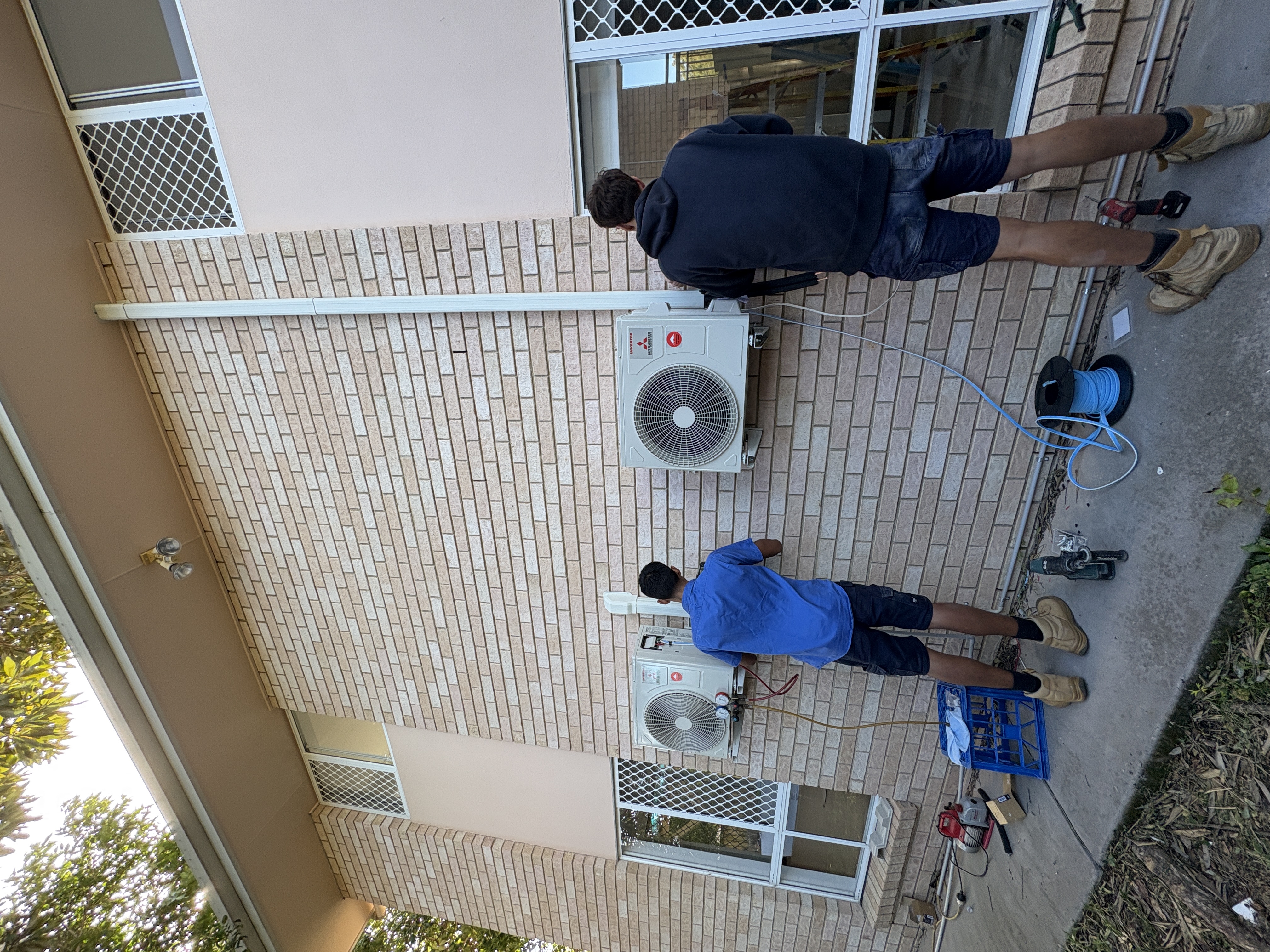
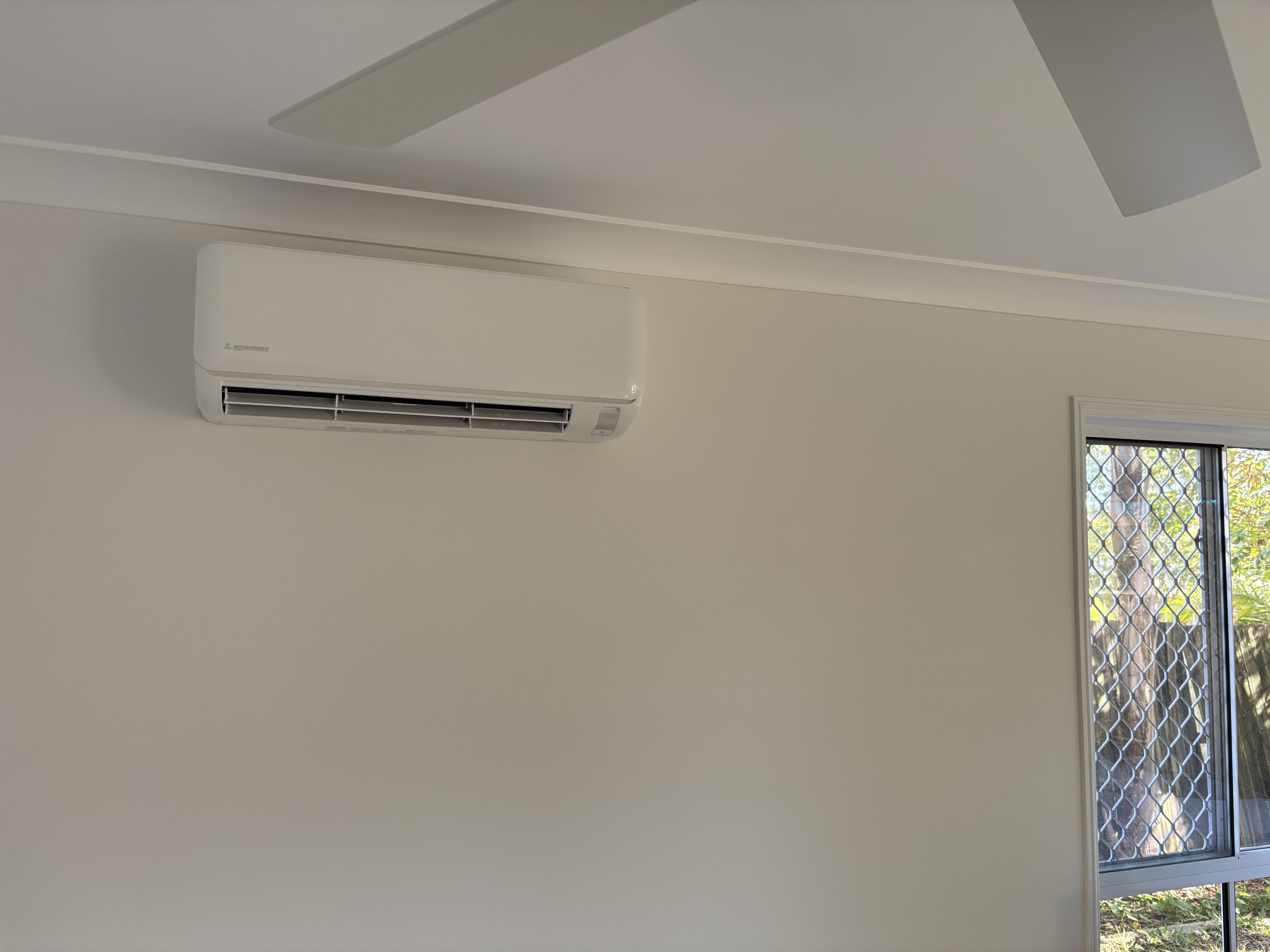
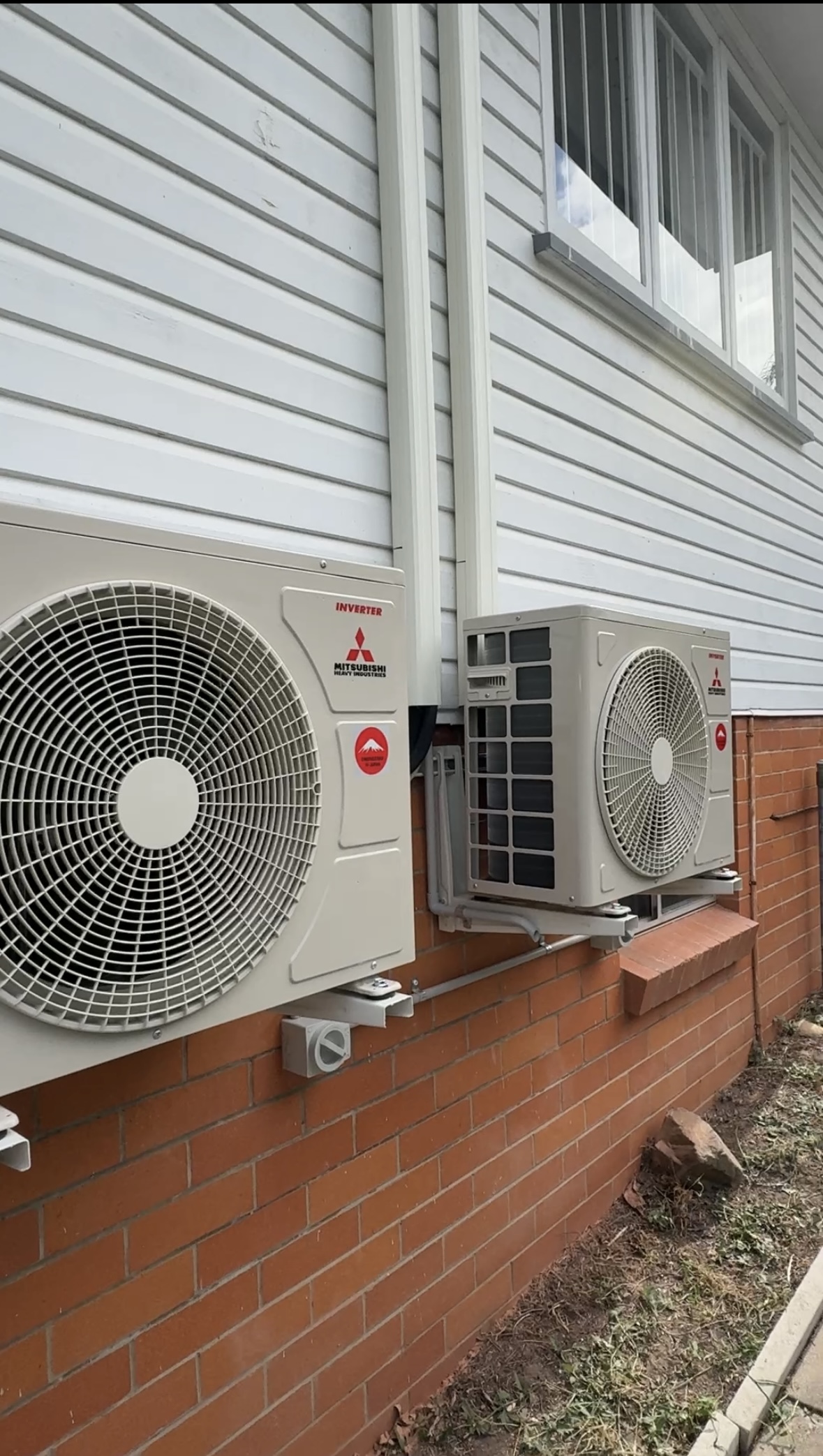
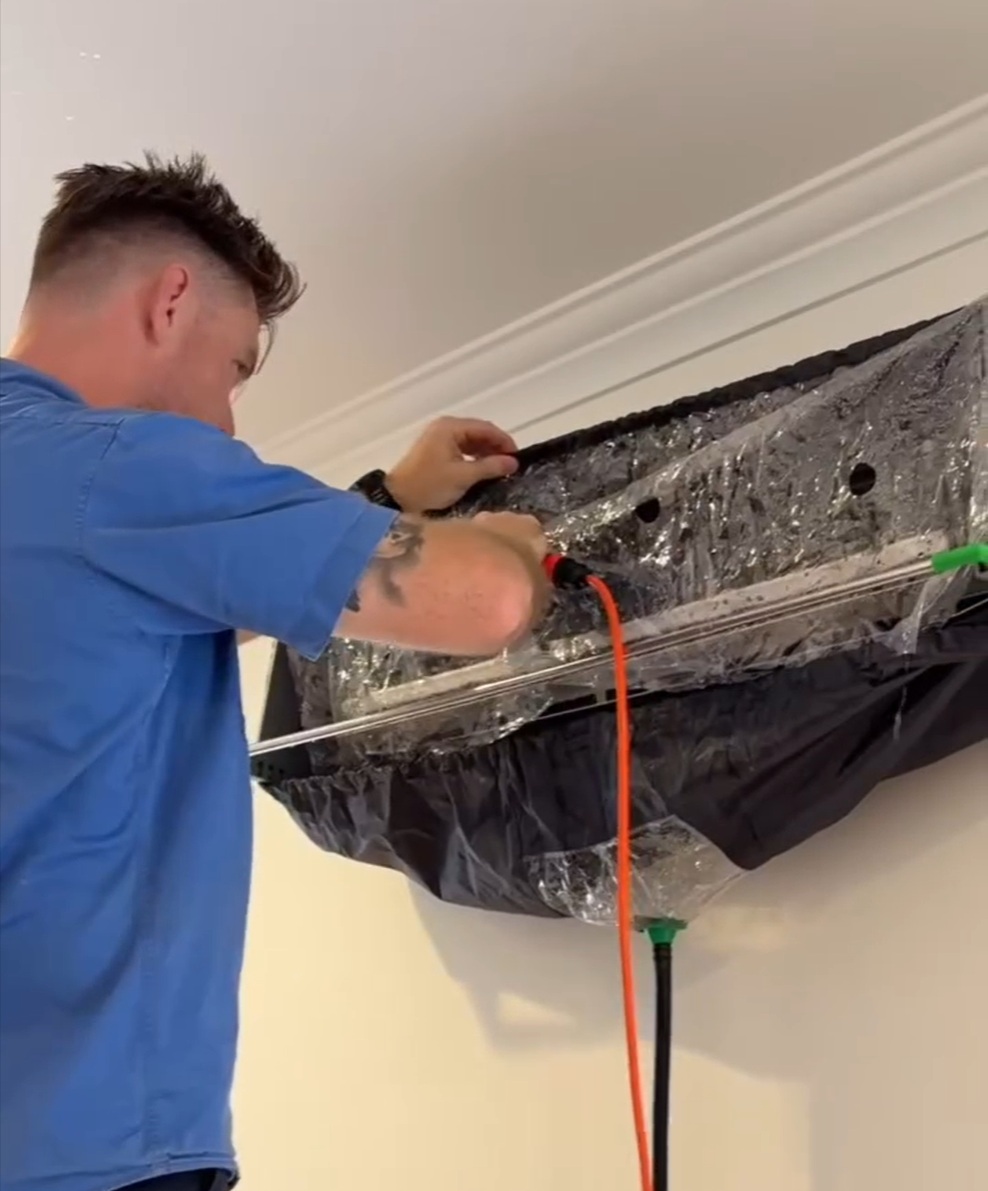
Our Projects


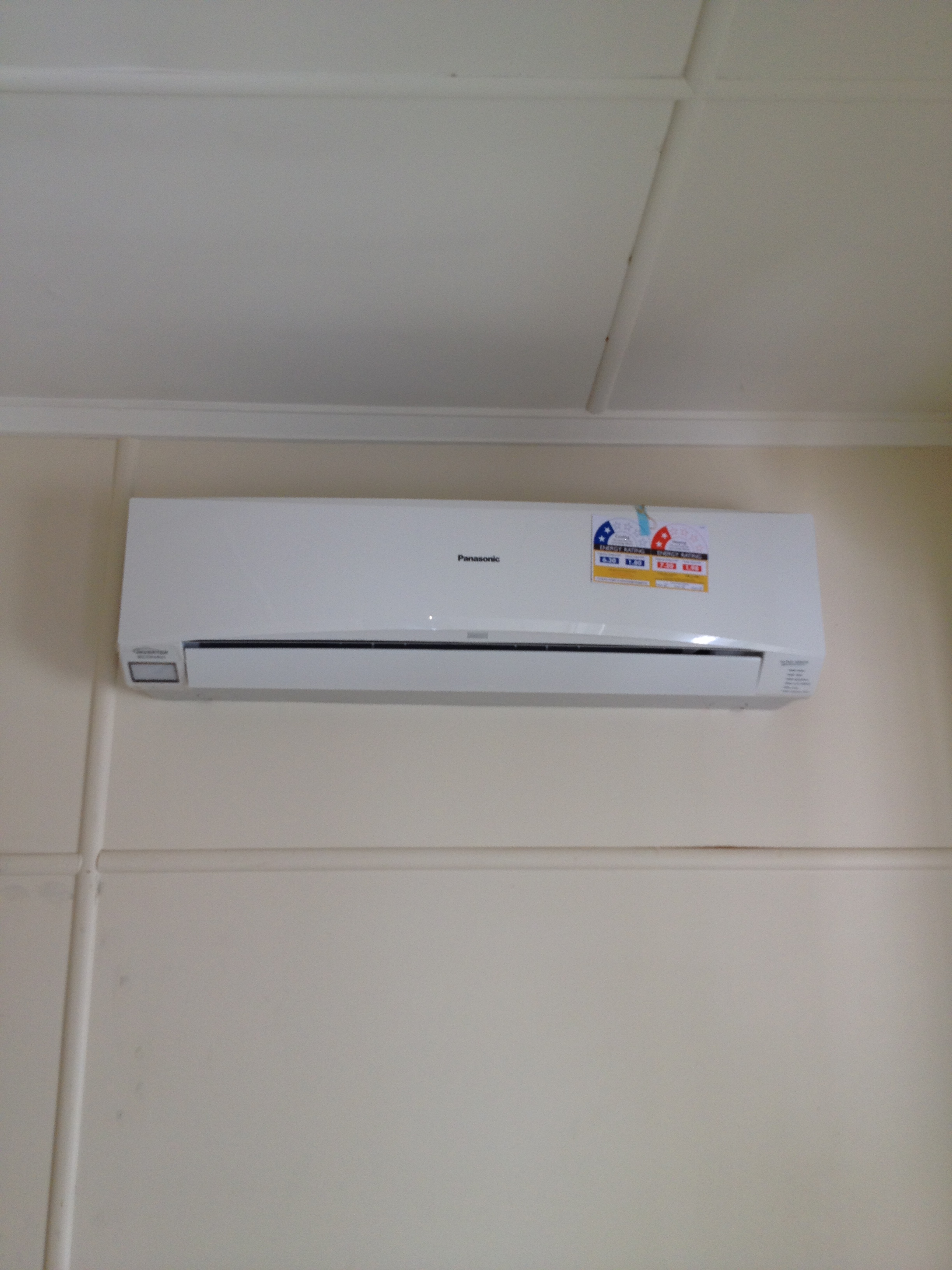
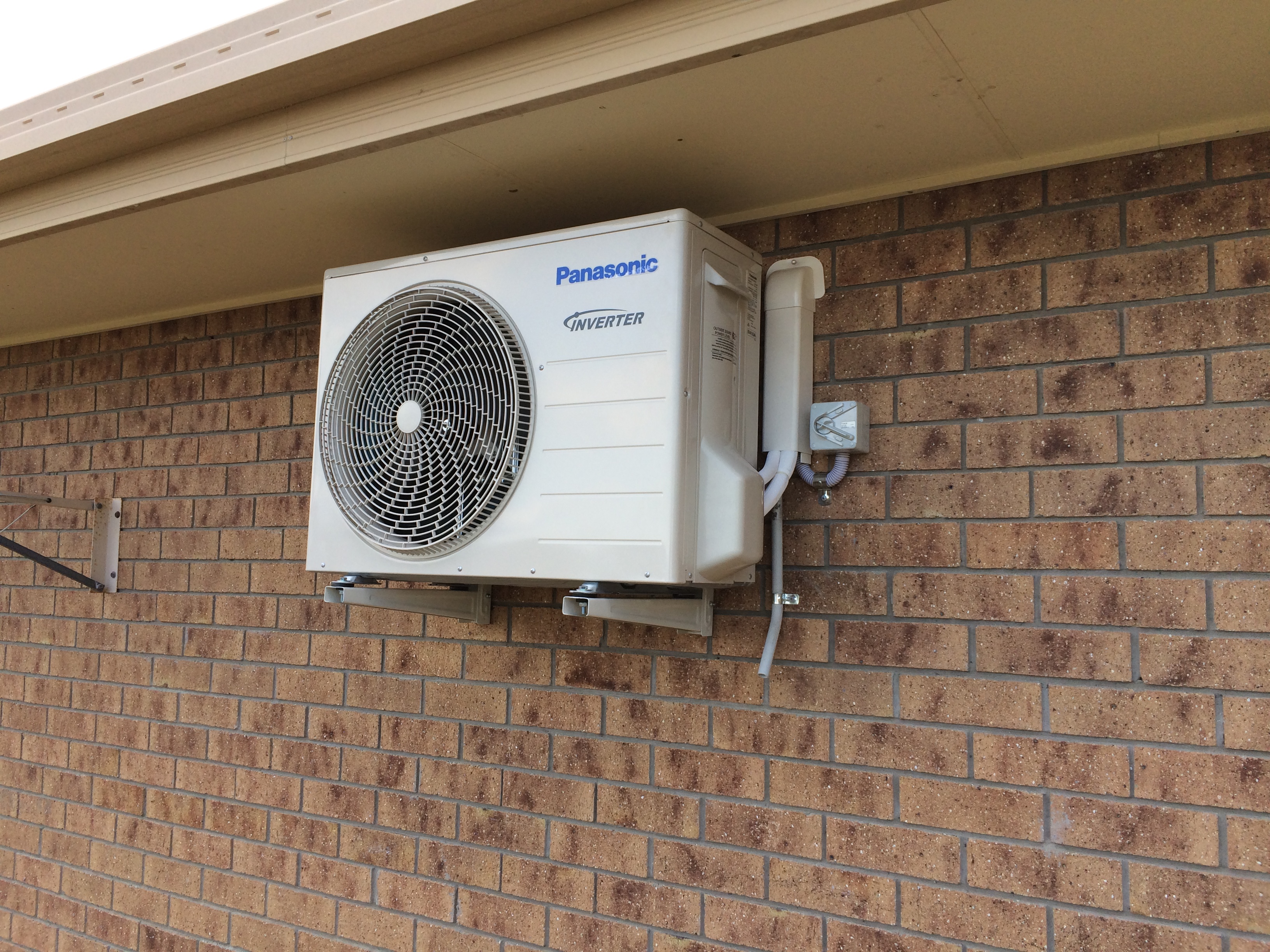
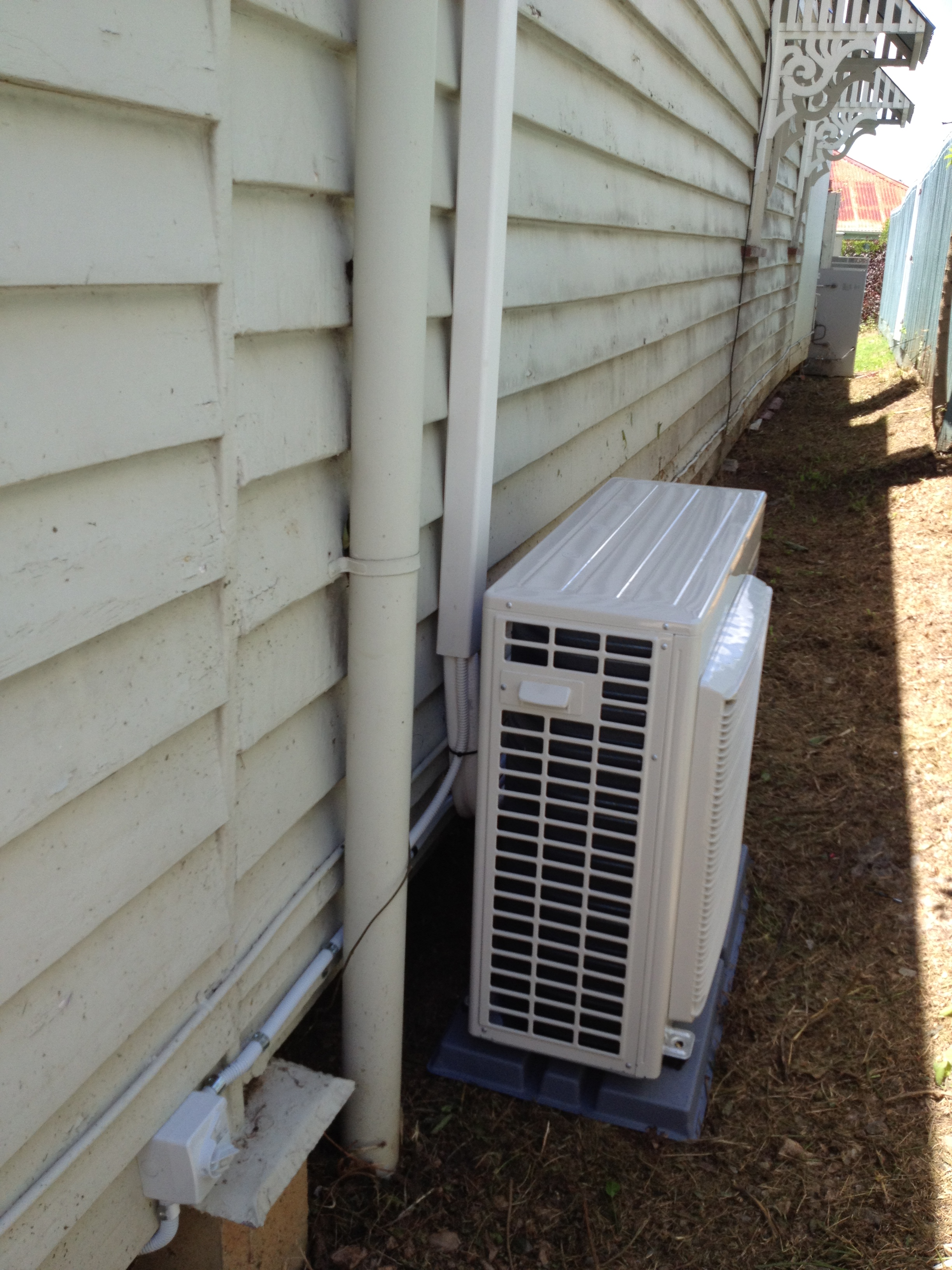
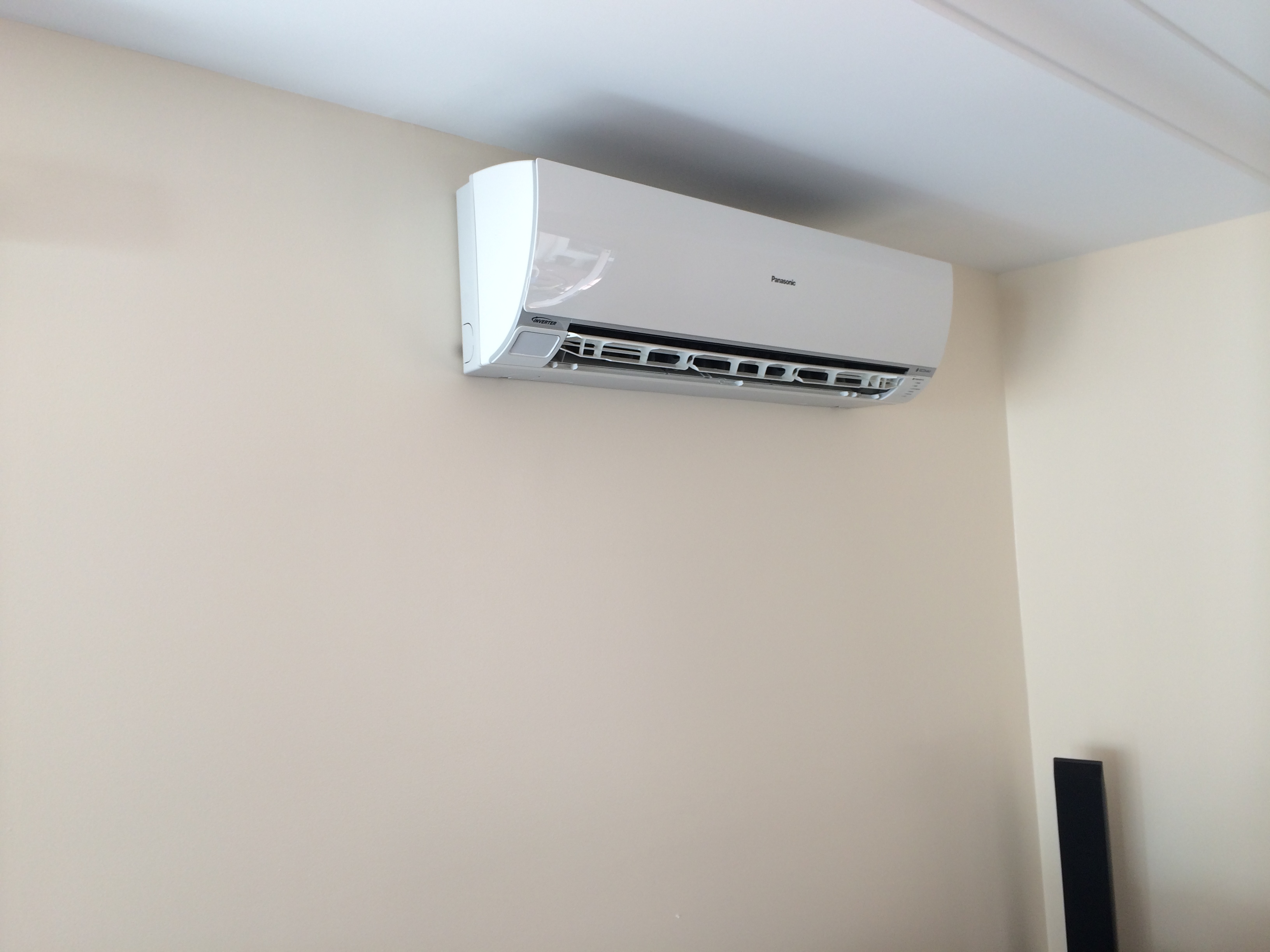
Get a Free Air Conditioning Quote
Partner with our licensed electricians for your home cooling needs. We offer comprehensive, fixed-price quotes for air conditioning installation and all necessary electrical circuitry or switchboard upgrades to keep your system safe.
Areas We Service in Brisbane
VJ's Electrical and AV Solutions proudly provides expert residential and commercial electrical care across the following Brisbane suburbs and surrounding regions.
South Brisbane
East Brisbane
Logan & Bayside
Greater Brisbane
Burbank
Brisbane CBD
South Brisbane
Kangaroo Point
West End
Fortitude Valley
New Farm
Air Con FAQs
What types of air conditioners do you install?
We install split system and ducted air conditioners for Brisbane homes. We work with quality, energy-efficient brands that suit our climate and your budget.
Do you supply the air conditioner, or can you install one I’ve bought?
Both. We can fully supply and install a new system, or install a unit you’ve already purchased, as long as it meets Australian standards.
How much does air conditioner installation cost in Brisbane?
Pricing depends on the size of the unit, the type (split or ducted) and how complex the install is. Once we see your home, we’ll give you a clear, fixed quote before any work starts.
Where can I get air conditioning installation in Brisbane?
VJ’s Electrical and AV Solutions provides professional air conditioning installation services across Brisbane. Our qualified electricians can install new air conditioning systems safely and efficiently, helping keep your home or business comfortable year-round.
How often should I service my air conditioner?
For Brisbane homes, we recommend a full service at least once a year. If you use your aircon a lot in summer, a check before and after the season keeps it running efficiently.
Do you offer aircon cleaning as well as servicing?
Yes. Our servicing includes deep cleaning of filters, coils and drains to improve airflow, reduce smells and help prevent mould build-up.
Can you repair my existing air conditioner?
Yes. We can diagnose faults, replace parts and get most systems back up and running. If repair isn’t cost-effective, we’ll recommend suitable replacement options.
How long does an installation usually take?
Most single split system installs are completed in one day. Ducted systems or more complex jobs may take longer, and we’ll confirm timing with you before we start.
Which brands do you work with?
We work with trusted, energy-efficient brands commonly used in Brisbane homes. If you have a preferred brand, let us know and we’ll see if it’s suitable for your space.
Do you offer warranties on your work?
Yes. All our air conditioning installations are carried out by licensed electricians and come with workmanship guarantees, plus the manufacturer’s warranty on the unit.
How do I book a quote with VJ’s Electrical?
You can request a quote through our contact form, call us directly, or use the “Request a Quote” button on this page and we’ll get back to you to arrange a site visit.
Should my air conditioner have its own electrical circuit?
In most cases, a new air conditioner should be supplied by a dedicated electrical circuit sized specifically for the system's electrical requirements. This helps ensure the circuit can safely handle the air conditioner's load without overloading existing circuits. VJ's Electrical and AV Solutions can assess your electrical system and install the appropriate circuit, isolation switch and protection required for your new air conditioner.
Can my existing switchboard support a new air conditioner?
Possibly. Before installing a new air conditioner, we can assess your existing switchboard, available capacity, circuit protection and overall electrical load. Older switchboards or heavily loaded electrical systems may require additional capacity, circuit protection or an upgrade before a new air conditioner can be safely installed.
Where should an outdoor air conditioning unit be installed?
An outdoor air conditioning unit should be installed in a location with adequate airflow, suitable clearance around the unit and safe access for future servicing. The location should also consider noise, drainage, exposure to direct weather and the distance between the indoor and outdoor units. We can recommend the most practical and suitable location during your air conditioning assessment.
Can an air conditioner be installed on a second storey?
Yes. Split system air conditioners can be installed on second-storey homes. Depending on the property, the outdoor unit may be installed on the ground, on a wall-mounted bracket or in another suitable location. Access, pipework length, drainage and safe installation requirements all need to be considered.
How often should split system filters be cleaned?
For most homes, split system air conditioner filters should be checked and cleaned approximately every two to three months. Filters may need more frequent cleaning in homes with pets, high levels of dust or frequent air conditioner use. Clean filters can help maintain airflow, efficiency and indoor air quality.
Why is my air conditioner leaking water?
Water leaking from an air conditioner is often caused by a blocked or poorly draining condensate drain, a dirty indoor unit, incorrect installation or a problem with the condensate system. Water leaking inside your home should not be ignored, as it can cause damage and may indicate that your system requires professional servicing or repair.
Why does my air conditioner smell?
Unpleasant smells can be caused by dust, bacteria, mould, moisture or organic build-up inside the indoor unit, filters or drain system. A musty smell is often a sign that the system needs cleaning and servicing. Professional cleaning can help remove built-up contaminants and improve the quality of air circulating through your home.
Can mould grow inside an air conditioner?
Yes. Because air conditioners remove moisture from the air, mould and microbial growth can develop if moisture, dust and organic material accumulate inside the system. This can occur on filters, coils, fan barrels and drain components. Regular cleaning and professional servicing can help reduce the risk of mould growth.
Do I need an electrician to install a split system?
Yes. A split system air conditioner installation involves electrical work that must be carried out by appropriately licensed and qualified professionals. Depending on the installation, this can include installing a dedicated electrical circuit, circuit protection, isolation equipment and connecting the system to the electrical supply. Refrigerant work must also be completed by appropriately licensed personnel.
Does a new air conditioner require a switchboard upgrade?
Not necessarily. Whether a switchboard upgrade is required depends on the condition, capacity and available space in your existing switchboard, as well as the electrical requirements of the new air conditioner and your home's overall electrical load.
In some cases, only a new dedicated circuit and appropriate protection are required. In older homes or properties with limited switchboard capacity, an upgrade may be recommended to safely accommodate the new air conditioning system.